





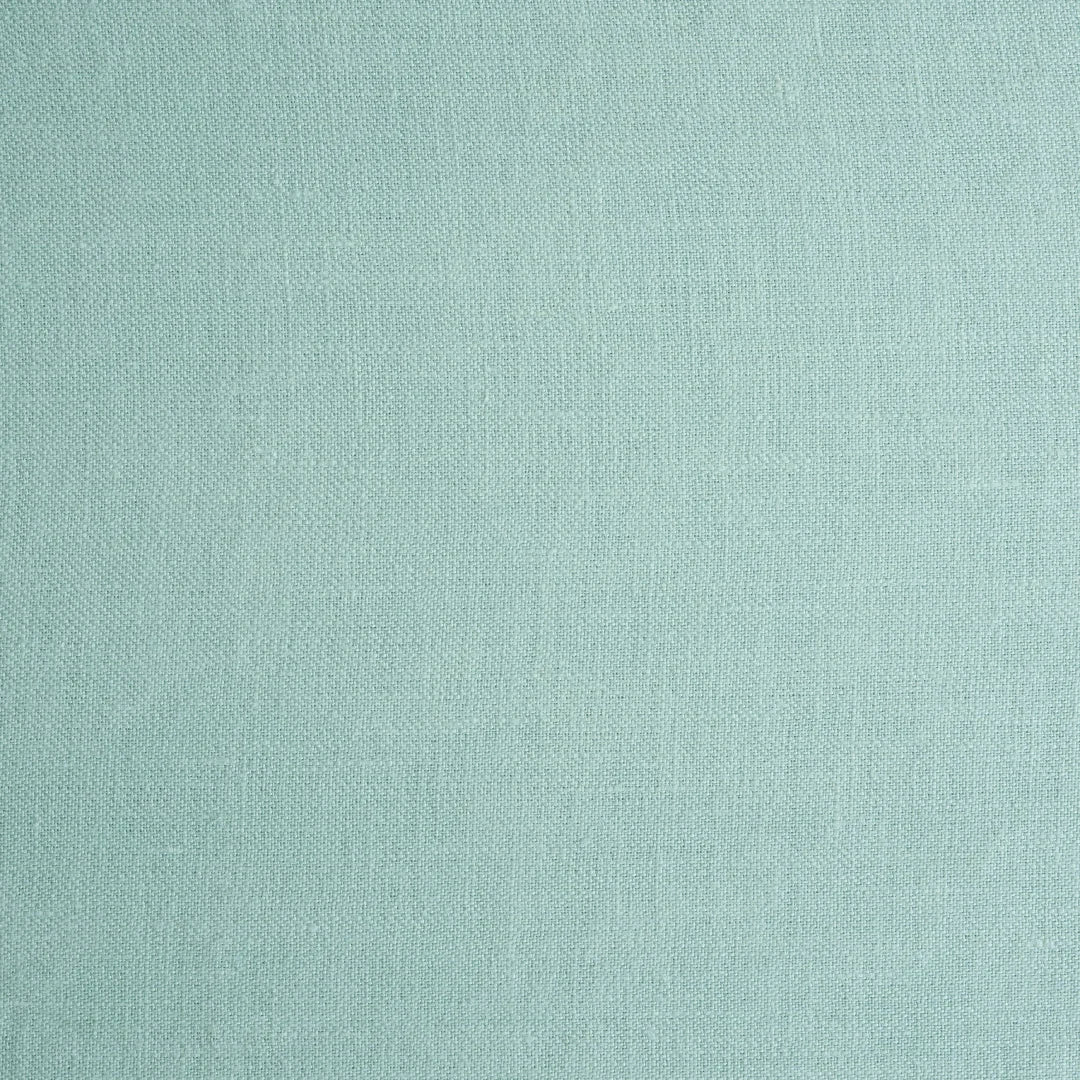
Buy Sustainable Fabric Material for Conscious Fashion & Home Projects
Sustainable fabric is designed to reduce environmental impact without compromising comfort, durability, or everyday usability. At Weaving Vibes, our sustainable fabric collection focuses on plant-based fibres and responsible production methods, making it suitable for apparel, accessories, and home projects.
These fabrics are commonly chosen by designers, small brands, and conscious consumers looking for eco-friendly fabric alternatives that feel good to use and are made with long-term impact in mind.
What Makes Fabric Truly Sustainable?
A sustainable fabric goes beyond just being plant-based. It considers the entire lifecycle of the material, from fibre source to processing and long-term use.
Fibre source: Renewable, plant-based fibres such as bamboo and hemp that require fewer resources than conventional crops
Processing: Low-impact, AZO-free dyes and controlled finishing methods that reduce chemical load
Durability: Fabrics designed for repeated use and longer life cycles
End-of-life impact: Many sustainable fabric materials are biodegradable under suitable conditions
Together, these factors help create eco-friendly cloth that balances performance with responsible sourcing.
Types of Sustainable Fabric Available in This Collection
Our range includes carefully developed sustainable fabric materials suited for different applications:
Hemp Fabric: Naturally strong and durable, often chosen for accessories and utility-focused uses
Bamboo Fabric: Soft, breathable, and moisture-absorbent, ideal for apparel and daily-wear garments.
Bamboo & Hemp Blends: Combine softness with added strength, suitable for bags and structured products
Speciality Weaves: Designed to enhance airflow, texture, or durability depending on end use
Each organic fabric material is selected with practical applications in mind, rather than purely aesthetic appeal.
How to Choose the Right Sustainable Cloth for Your Use
Selecting the right sustainable cloth depends largely on how it will be used. Factors such as GSM, fibre blend, and weave structure play a key role in comfort, durability, and long-term performance.
For Apparel & Everyday Wear
- Choose low to mid GSM fabrics for comfort and ease of movement
- Prioritise softness, breathability, and moisture absorption
- Bamboo-based organic fabric materials work well for warm climates and daily wear
For Bags & Accessories
- Medium GSM fabrics provide better strength and shape retention
- Blended sustainable cloth offers added durability for totes, backpacks, and utility items
For Home Projects & Functional Use
- Pay attention to weave structure and fabric density
- Tighter weaves work well for upholstery and functional home items
- More open weaves improve airflow and suit lighter home applications
Understanding GSM, fibre composition, and weave type helps ensure the fabric performs reliably and lasts longer across different uses.
How to Care for Sustainable Fabrics
Proper care helps extend the lifespan of sustainable fabric material, especially plant-based textiles.
- Wash gently using mild detergents
- Avoid harsh chemicals and bleaching agents
- Use cold or low-temperature washes
- Line dry where possible to maintain fibre structure
Following these care practices helps retain softness, shape, and fabric strength over time.
Why Buy Sustainable Fabric from Weaving Vibes?
Weaving Vibes produces sustainable fabric through in-house weaving processes, allowing close control over GSM consistency, fabric quality, and finishing.
With a monthly production capacity of over 250,000 metres, we support both small and large orders while maintaining responsible manufacturing standards. Our experience with pure and blended fibres helps create eco friendly fabric that performs reliably across apparel, accessories, and home projects.
FAQs About Sustainable Fabric
Q: What is the best sustainable fabric material for everyday clothing?
Ans: Bamboo-based sustainable fabric material is a good choice for everyday clothing because it feels soft, breathable, and comfortable for regular wear. It works well for warm climates, casual garments, and daily-use apparel where comfort is important.
Q: What is organic cloth material, and where is it commonly used?
Ans: Organic cloth material refers to fabric made from plant-based fibres grown with minimal chemical input and processed using low-impact methods. It is commonly used for apparel, bags, and home projects where comfort, breathability, and responsible sourcing are important.
Q: What is sustainable cloth material commonly used for?
Ans: Sustainable cloth material is commonly used for apparel, tote bags, accessories, home textiles, and small-batch fashion collections. The right use depends on the GSM, weave, fibre blend, and finish of the fabric.
Q: Is organic fabric the same as eco-friendly fabric?
Ans: Not always. Organic fabric usually refers to how the fibre is grown, while eco-friendly fabric also considers dyeing, processing, durability, water use, and end-of-life impact. A fabric may be plant-based, but its full sustainability depends on the complete production process.
Q: Which sustainable cloth is best for tote bags and accessories?
Ans: Medium GSM sustainable cloth with a strong weave is usually better for tote bags and accessories. Hemp and hemp-blend fabrics work well because they offer better structure, durability, and shape retention.
Q: Are AZO-free prints and natural dyes safer or more sustainable?
Ans: AZO-free prints and natural dyes can support safer and lower-impact fabric production when used responsibly. They help reduce harmful chemical residues, but the overall sustainability also depends on water use, dye fixation, finishing, and wastewater handling.
Q: Do sustainable fabrics shrink or wrinkle easily?
Ans: Like many plant-based textiles, some sustainable fabrics may shrink or wrinkle slightly if not cared for properly. Gentle washing, mild detergents, and air drying can help maintain the fabric’s shape, softness, and stability.
Q: Can sustainable fabric be used for small fashion brands?
Ans: Yes, sustainable fabric is suitable for small fashion brands that want responsible material options for shirts, dresses, co-ord sets, bags, and accessories. Ordering swatches first helps brands check texture, GSM, colour, and drape before production.
Q: How do I check the quality of sustainable fabric before buying?
Ans: Check the GSM, fibre composition, weave structure, texture, colour finish, and end-use suitability. If you are buying for production, ordering a fabric swatch is the best way to test the real feel, thickness, and performance.
Q: Is hemp sustainable fabric better for heavy-use products?
Ans: Hemp sustainable fabric is often preferred for heavy-use products because it is strong, durable, and becomes softer with use. It works well for bags, jackets, utility items, and structured home projects when the right GSM is selected.
Q: Can sustainable fabric be used for home textiles?
Ans: Yes, sustainable fabric can be used for home textiles such as cushion covers, table linen, curtains, light upholstery, and decorative fabric projects. For home use, choose the fabric based on weave density, GSM, durability, and how much handling the product will receive.